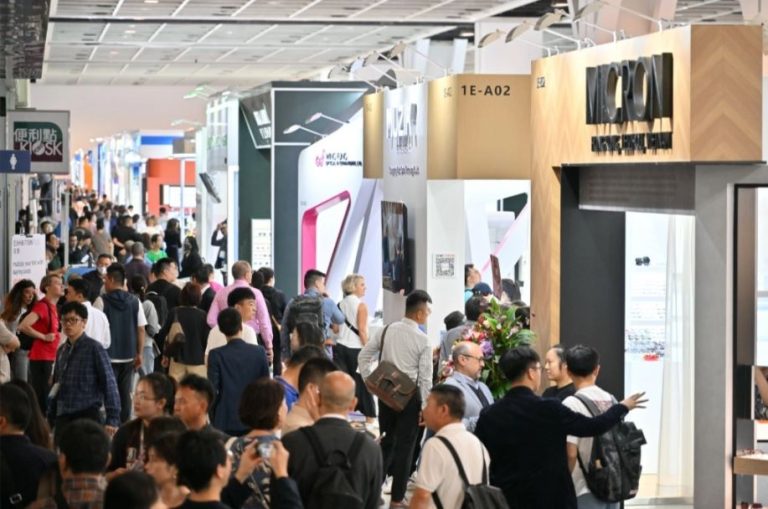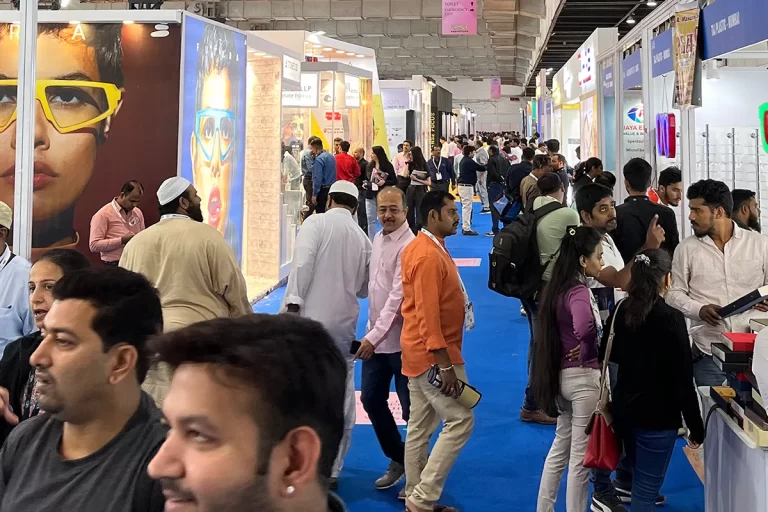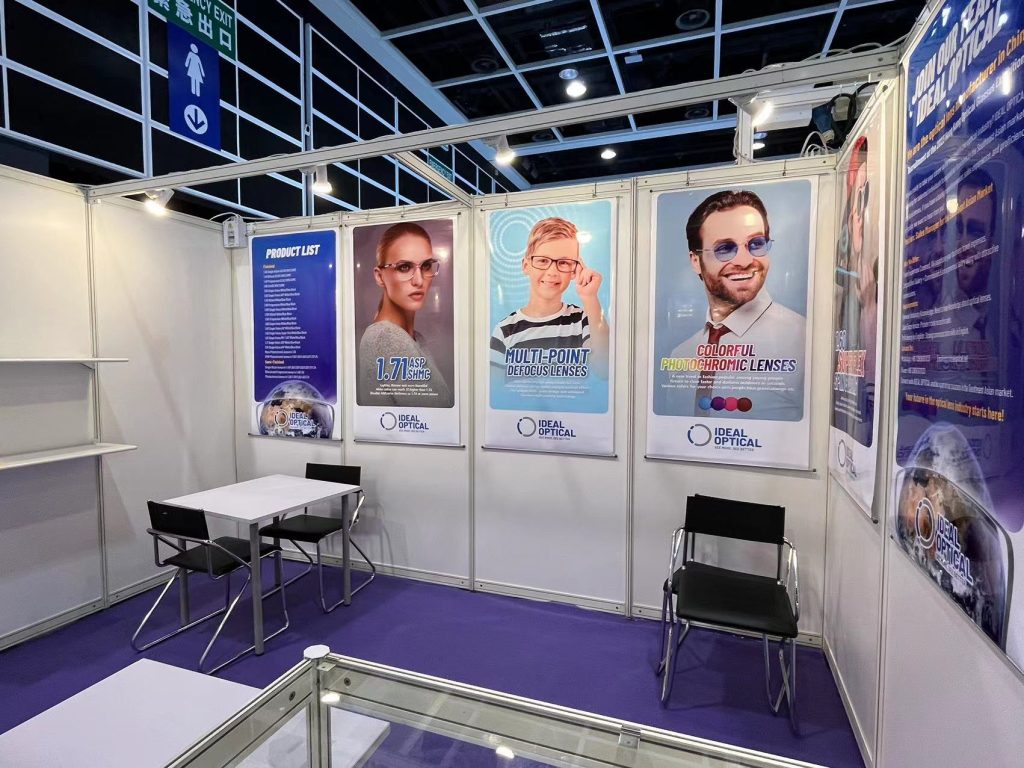
In the ever-evolving landscape of the optical industry, exhibitions have long served as a vital conduit for innovation, networking, and education. As we look toward the future of optical exhibitions, several transformative trends are emerging, reshaping how industry players engage, showcase, and connect. This article delves into the multifaceted developments poised to redefine the future of these exhibitions, exploring advancements in technology, sustainability practices, attendee engagement, and the overarching significance of adaptability in a rapidly changing environment.
1. Technological Innovations: The Backbone of Modern Exhibitions
1.1 The Rise of Augmented and Virtual Reality
One of the most striking advancements influencing the future of optical exhibitions is the integration of augmented reality (AR) and virtual reality (VR). These technologies provide immersive experiences that allow attendees to interact with products in novel ways. For instance, imagine walking into an exhibition where you can virtually try on eyewear or visualize how a new lens technology will impact daily life. This level of engagement not only captivates potential buyers but also enhances the learning experience, providing detailed information that might not be feasible through traditional displays.
1.2 Artificial Intelligence: Personalization and Automation
Artificial intelligence (AI) is set to revolutionize how exhibitions operate. From chatbots providing real-time information to AI-driven analytics that track attendee behavior, the potential applications are vast. In the context of the future of optical exhibitions, AI can facilitate personalized experiences for attendees by curating content based on individual interests, optimizing their time at the event. Furthermore, predictive analytics can help organizers anticipate trends, ensuring that exhibitors are well-prepared to meet attendee needs.
1.3 Data-Driven Insights
With the advent of advanced data collection techniques, exhibitions can now leverage data analytics to understand attendee behavior and preferences better. Analyzing data gathered during previous events allows organizers to refine their strategies, ensuring that each subsequent exhibition is more aligned with the needs and interests of the audience. This shift towards data-driven decision-making will be instrumental in shaping the future of optical exhibitions, enhancing both the exhibitor and attendee experience.
2. Sustainability: A Growing Imperative
2.1 Eco-Friendly Practices
As global awareness of environmental issues increases, the demand for sustainable practices in exhibitions has become paramount. The future of optical exhibitions will likely see a shift towards greener initiatives, such as using recyclable materials for booths and minimizing waste through digital solutions. Organizers are also exploring sustainable logistics options, from reducing carbon footprints to utilizing renewable energy sources during events.
2.2 Corporate Social Responsibility (CSR)
Exhibitors are increasingly expected to demonstrate their commitment to corporate social responsibility. This means not only showcasing eco-friendly products but also engaging in community initiatives that reflect a dedication to societal well-being. In the context of the future of optical exhibitions, this trend will encourage brands to align their exhibition presence with broader CSR goals, fostering a more responsible and ethical industry landscape.
3. Enhanced Attendee Engagement
3.1 Interactive Experiences
As attention spans wane, the demand for engaging and interactive experiences within exhibitions rises. The future of optical exhibitions will necessitate more hands-on opportunities for attendees, including workshops, live demonstrations, and interactive displays. These experiences can enhance the educational value of the exhibitions, making them more memorable and impactful.
3.2 Networking Opportunities
Networking has always been a cornerstone of exhibitions, but future iterations will emphasize structured networking opportunities. This could include curated matchmaking sessions or facilitated discussions that connect like-minded professionals. By fostering meaningful interactions, the future of optical exhibitions will create an environment conducive to collaboration and innovation.
3.3 Gamification
Gamification is an emerging trend that could significantly impact attendee engagement. By incorporating game-like elements into the exhibition experience—such as challenges, contests, or rewards for participation—organizers can create an enjoyable atmosphere that encourages active involvement. This approach can lead to increased retention of information and a more vibrant exhibition environment.
4. Hybrid and Virtual Exhibitions
4.1 The Hybrid Model
The pandemic has accelerated the adoption of hybrid exhibitions, which combine in-person and virtual components. This model offers flexibility, allowing attendees to participate according to their comfort levels. As we move forward, the future of optical exhibitions will likely embrace hybrid formats that expand reach and accessibility. Attendees can engage remotely, accessing educational content and networking opportunities from anywhere in the world.
4.2 Virtual Reality Exhibitions
With advancements in VR technology, fully virtual exhibitions are becoming a viable alternative to traditional formats. These immersive environments allow participants to explore exhibits, interact with products, and attend seminars without geographical constraints. As this technology matures, the future of optical exhibitions may see a significant shift towards virtual environments that replicate the benefits of physical attendance while reducing travel and logistical challenges.
5. Changing Market Dynamics
5.1 Globalization
The globalization of the optical industry will continue to influence the future of optical exhibitions. As markets become increasingly interconnected, exhibitions will need to cater to diverse audiences with varying cultural perspectives and business practices. This might involve multilingual materials, localized content, and considerations for different regulatory environments.
5.2 Startups and Innovation Hubs
The rise of startups within the optical industry is a vital trend shaping the future of optical exhibitions. These nimble companies often bring fresh ideas and innovative technologies to the table, challenging established norms. Exhibitions will likely serve as vital platforms for startups to showcase their solutions, fostering a culture of innovation and collaboration within the industry.
5.3 Consumer-Centric Approaches
As consumer preferences shift, exhibitors must adapt their strategies to meet evolving demands. The future of optical exhibitions will increasingly emphasize consumer-centric approaches, focusing on the needs and desires of end-users. This shift may include showcasing products that prioritize user experience, comfort, and personalization, ensuring that exhibitors remain relevant in a rapidly changing market.
6. Conclusion: Navigating the Future
The future of optical exhibitions is characterized by a convergence of technological advancements, sustainability initiatives, and changing market dynamics. As the industry navigates this complex landscape, adaptability will be crucial for success. By embracing innovation and prioritizing attendee engagement, exhibitions can continue to serve as valuable platforms for connection, learning, and growth.
In this era of rapid change, industry stakeholders must remain proactive, leveraging emerging trends to create exhibitions that not only meet current needs but also anticipate future demands. The ongoing evolution of optical exhibitions promises to foster a vibrant, collaborative, and innovative environment that supports the industry’s growth for years to come.