
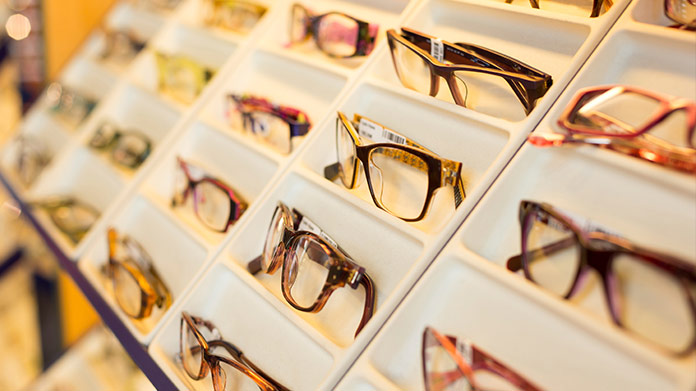
Glasses retail events represent a crucial intersection for eyewear brands, industry professionals, and consumers. These events are where trends are set, innovations are showcased, and business relationships are forged. As a participant, whether as a retailer, exhibitor, or attendee, preparation is paramount to making the most of these opportunities. This guide will provide a comprehensive overview of How to Prepare for Glasses Retail Events, ensuring that you maximize your presence and achieve your objectives.
1. Understanding the Importance of Glasses Retail Events
Glasses retail events are not just about showcasing products; they are a powerful platform for networking, learning, and positioning your brand within the industry. These events often bring together the brightest minds and the most innovative companies, creating an environment ripe for business growth and development. For retailers, these events offer a chance to connect directly with manufacturers, discover new products, and gain insights into market trends. Exhibitors, on the other hand, can use these events to demonstrate their latest innovations, gather feedback, and expand their customer base.
The significance of these events cannot be overstated. They serve as a barometer for the industry’s health and direction, providing participants with an invaluable glimpse into future trends and consumer preferences. Therefore, How to Prepare for Glasses Retail Events is not just about logistics; it’s about strategic planning and execution.
2. Setting Clear Objectives
Before you even step into the event venue, it’s essential to define what you aim to achieve. Your objectives should be specific, measurable, achievable, relevant, and time-bound (SMART). Are you looking to launch a new product, increase brand awareness, or network with key industry players? Each goal will require a different approach and preparation.
For instance, if your goal is to increase brand awareness, your focus might be on creating an eye-catching booth with high-impact visuals and engaging content. On the other hand, if your objective is to network, you might prioritize setting up meetings and attending industry panels. By setting clear objectives, you can tailor your preparation efforts to align with your desired outcomes.
3. Researching the Event
Research is a fundamental aspect of How to Prepare for Glasses Retail Events. Begin by thoroughly understanding the event’s format, schedule, and key participants. Familiarize yourself with the event’s history, the types of attendees it attracts, and the main themes or focus areas. This information will help you tailor your strategy to fit the event’s specific context.
Moreover, studying the list of exhibitors and speakers can provide insights into what others in the industry are focusing on. This knowledge can inform your own presentation and help you identify potential competitors or collaborators. Understanding the event’s agenda also allows you to schedule your time effectively, ensuring that you attend the most relevant sessions and maximize your networking opportunities.
4. Crafting a Compelling Presentation
Whether you’re presenting a product, a service, or an idea, your presentation is the cornerstone of your success at glasses retail events. It needs to be engaging, informative, and tailored to your audience. Begin by identifying the key messages you want to convey. These messages should align with your objectives and resonate with your target audience.
Consider incorporating multimedia elements into your presentation, such as videos, animations, or interactive displays. These can help capture attention and make your presentation more memorable. Additionally, prepare for potential questions or objections that might arise, and have clear, concise responses ready.
Your booth or presentation space should also reflect your brand’s identity. Use consistent branding across all materials, including signage, brochures, and digital displays. This not only reinforces brand recognition but also creates a cohesive and professional image.
5. Preparing Your Team
Your team is your most valuable asset at any glasses retail event. Ensure that every team member is well-prepared and aligned with your objectives. Conduct training sessions that cover key topics such as product knowledge, sales techniques, and customer engagement strategies. Role-playing exercises can be particularly effective in preparing your team to handle various scenarios they might encounter during the event.
Assign specific roles to each team member based on their strengths. For example, one person might be responsible for handling inquiries, while another focuses on demonstrations or networking. Clear role definitions help avoid confusion and ensure that all aspects of your participation are covered.
Moreover, emphasize the importance of professionalism and customer service. Your team should be approachable, knowledgeable, and enthusiastic. First impressions are crucial, and your team’s demeanor will significantly impact how your brand is perceived.
6. Engaging with Attendees
Engagement is key to a successful glasses retail event. It’s not enough to simply set up a booth and wait for attendees to come to you. Proactively engage with attendees by initiating conversations, offering demonstrations, and creating interactive experiences.
Consider using gamification techniques to draw people in. For example, you could host a quiz or a competition related to your products, with prizes for participants. This not only attracts attention but also encourages attendees to spend more time at your booth, increasing the likelihood of meaningful interactions.
Additionally, make sure you collect contact information from attendees. This could be through business cards, a digital sign-up form, or a lead capture app. Following up with these contacts after the event is crucial for converting leads into customers.
7. Leveraging Social Media
In today’s digital age, social media is an indispensable tool for maximizing your presence at glasses retail events. Before the event, build anticipation by posting teasers about what you’ll be showcasing. Use event hashtags to increase your visibility and connect with other participants.
During the event, keep your audience engaged with real-time updates. Share photos and videos of your booth, your team in action, and highlights from the event. Live streaming key moments, such as product launches or panel discussions, can also help you reach a wider audience.
After the event, use social media to follow up with attendees and continue the conversation. Share a recap of the event, including any key takeaways or announcements. Engaging with your audience online not only extends the reach of your participation but also helps build long-term relationships.
8. Networking Strategically
Networking is one of the most valuable aspects of glasses retail events. It’s an opportunity to connect with industry leaders, potential partners, and even competitors. However, effective networking requires more than just handing out business cards.
Start by identifying the key people you want to meet. This could be potential clients, industry influencers, or collaborators. Reach out to them before the event to schedule meetings or simply to introduce yourself. Being proactive can help you stand out in a crowded event.
During the event, attend networking sessions, workshops, and social gatherings. Be prepared with an elevator pitch that clearly communicates who you are, what you do, and what you’re looking to achieve. Remember, networking is a two-way street; be sure to listen as much as you speak and offer value in your interactions.
Finally, follow up with your contacts after the event. A personalized email or LinkedIn message can help solidify the connection and open the door for future collaboration.
9. Showcasing Your Products
The way you showcase your products can make or break your success at a glasses retail event. Your booth should be designed to attract attention and encourage interaction. Use high-quality displays, clear signage, and professional lighting to highlight your products.
Consider offering live demonstrations or interactive experiences that allow attendees to see your products in action. For example, if you’re showcasing new eyewear, provide mirrors and offer fittings so attendees can try them on. If you have a digital product, such as an app or a virtual try-on tool, set up a station where attendees can test it out.
Make sure that all your products are well-stocked and easily accessible. You don’t want to miss out on potential sales or leads because you ran out of samples or brochures. Additionally, ensure that your pricing and ordering information is clear and readily available for interested buyers.
10. Creating a Memorable Experience
In a crowded event environment, it’s essential to create a memorable experience that sets you apart from the competition. Think about what will leave a lasting impression on attendees. This could be an innovative product demonstration, a unique booth design, or an engaging activity.
Consider incorporating sensory elements into your booth. For example, playing background music, offering refreshments, or using distinctive scents can create a more immersive experience for attendees. The goal is to create an environment that not only attracts attention but also makes attendees want to stay and engage with your brand.
Personalization can also enhance the attendee experience. Offer customized giveaways, such as branded glasses or cases, that attendees can take home. Personalized interactions, such as addressing attendees by name or tailoring your pitch to their specific needs, can also make a significant impact.
11. Monitoring Industry Trends
Staying informed about the latest industry trends is crucial for How to Prepare for Glasses Retail Events. These events are often where new trends emerge, and being aware of these developments can help you position your brand effectively.
Research current trends in eyewear design, technology, and consumer preferences before the event. This knowledge can inform your product presentation and marketing strategy. During the event, pay attention to what other exhibitors are showcasing and what topics are being discussed in panels and workshops. This can provide valuable insights into where the industry is headed and how you can stay ahead of the curve.
12. Preparing for Contingencies
Even with the best preparation, unexpected issues can arise during glasses retail events. Whether it’s a technical glitch, a shipment delay, or a last-minute change in the event schedule, being prepared for contingencies is essential.
Start by identifying potential risks and developing a contingency plan for each. For example, if you’re relying on technology for your presentation, have a backup in case of technical difficulties. If you’re shipping products to the event, ensure they arrive early and have a backup plan in case of delays.
Training your team to handle unexpected situations calmly and efficiently is also crucial. Make sure everyone knows what to do in case of an emergency or an unforeseen challenge. Being prepared for the unexpected not only reduces stress but also ensures that you can handle any situation with professionalism.
13. Measuring Success
After the event, it’s essential to measure your success against the objectives you set at the beginning. This will help you evaluate the effectiveness of your preparation and identify areas for improvement in future events.
Start by reviewing your goals and determining whether you achieved them. Did you generate the number of leads you aimed for? Did you increase brand awareness or make valuable connections? Quantitative metrics, such as the number of leads collected or the sales made, are essential, but don’t overlook qualitative feedback.
Gather feedback from your team and attendees. What worked well? What could have been done differently? This feedback can provide valuable insights for future events. Additionally, analyze the return on investment (ROI) of your participation. Consider not only the immediate financial returns but also the long-term benefits, such as brand exposure and relationship-building.
14. Follow-Up Strategies
The success of your participation in a glasses retail event doesn’t end when the event does. Effective follow-up is crucial for converting leads into customers and maintaining the relationships you’ve built.
Start by sending personalized follow-up emails to the contacts you made at the event. Thank them for visiting your booth or attending your presentation, and offer to continue the conversation. Provide additional information or resources that might be of interest, such as product catalogs, brochures, or a link to your website.
Consider offering a post-event promotion or discount to encourage purchases. This can be an effective way to convert leads into sales. Additionally, follow up with your team to review what went well and what could be improved. This internal debrief can help you refine your strategy for future events.
Finally, use the momentum from the event to keep the conversation going on social media. Share highlights from the event, including photos, videos, and testimonials. Engaging with your audience online can help extend the impact of your participation and keep your brand top of mind.
15. Learning and Evolving
Every glasses retail event is a learning experience. Use each event as an opportunity to refine your strategy, improve your presentation, and enhance your engagement with attendees. Stay open to new ideas and be willing to adapt to changing circumstances.
Continually seek feedback from your team, your customers, and your peers in the industry. This feedback is invaluable for understanding what works and what doesn’t. Use it to make data-driven decisions and to evolve your approach for future events.
Additionally, stay informed about industry developments and trends. The eyewear industry is constantly evolving, and staying ahead of the curve requires continuous learning and adaptation. Attend workshops, read industry publications, and network with other professionals to keep your knowledge up to date.
Conclusion
Preparing for a glasses retail event is a multifaceted process that requires careful planning, strategic execution, and continuous learning. By setting clear objectives, conducting thorough research, crafting a compelling presentation, and engaging with attendees effectively, you can maximize your success at these events. Remember, How to Prepare for Glasses Retail Events is not just about logistics; it’s about positioning your brand for long-term growth and success.
Incorporating feedback, measuring success, and following up after the event are all crucial steps in ensuring that your participation delivers lasting value. By staying informed about industry trends and continually refining your approach, you can ensure that your brand remains competitive and relevant in the ever-evolving eyewear industry. For more detailed guidance and resources on preparing for glasses retail events, visit opticfair.com.


